Carter G. Woodson, a historian, launched Negro History Week in the second week of February 1926 in the United States. This week coincides with the birthdays of Abraham Lincoln and Frederick Douglass. Abraham Lincoln was the 16th president of the United States and played a major role in the abolition of slavery. Frederick Douglass was an abolitionist who escaped from slavery, became a renowned statesman, and emerged as the most important leader of the movement for African-American civil rights in the 19th century.
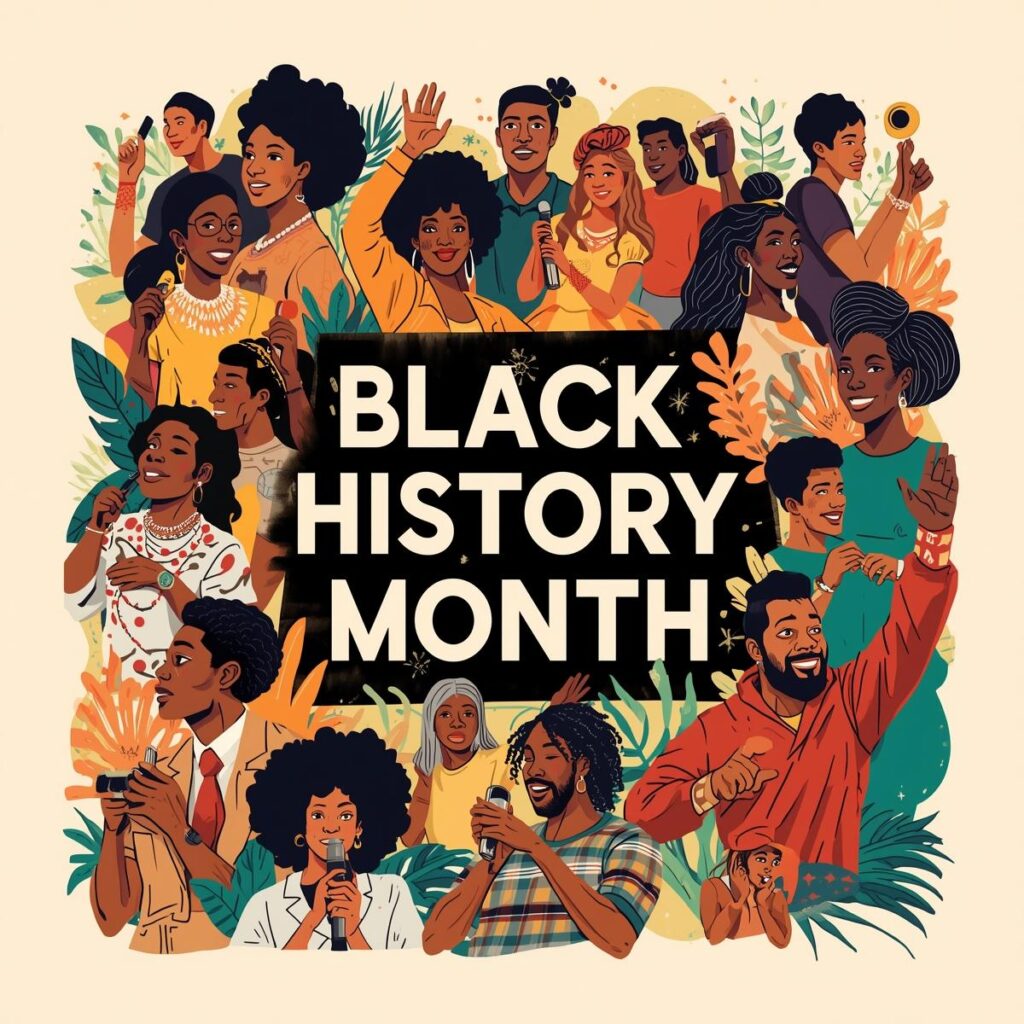
In 1970, Negro History Week expanded into Black History Month, a month dedicated to celebrating the history and contributions of the African diaspora. While celebrated in February in the U.S. and Canada, it is observed in March in Belgium. This allows for a unique intersectionality with Women’s Rights Month, creating a powerful space for dialogue between Black history and gender equality.
As a Black woman, I believe this month is essential because it amplifies the voices of Black communities that are often subjected to stereotypes in the media. It is an opportunity to celebrate our successes, art, and culture. This is even more vital today as we witness ideological offensives against diversity, such as the recent efforts to diminish the visibility of underrepresented backgrounds.
There are several ways to celebrate and support Black communities:
- Read books by Black authors: To understand modern romance through a Black lens, try Open Water by Caleb Azumah Nelson. In Americanah by Chimamanda Ngozi Adichie, you can follow the journey of a Nigerian woman immigrating to the US, where she discovers the complexities of Black identity. You can also explore her latest work, Dream Count.
- Watch impactful cinema: Seek out movies directed by African-American filmmakers like BlacKKKlansman by Spike Lee, or films featuring Black leads such as Hidden Figures.
- Support local Black-owned businesses: Visit the bookshop Ici sont les lions in Brussels for literature from the diaspora, or enjoy authentic Malagasy cuisine at Madagasikara.
Active celebration and education are the keys to progress. How are you celebrating Black History Month this year? Share your favorite Black-owned businesses in the comments!
“If a race has no history, if it has no worthwhile tradition, it becomes a negligible factor in the thought of the world, and it stands in danger of being exterminated.” – Carter G. Woodson

Leave a Reply